
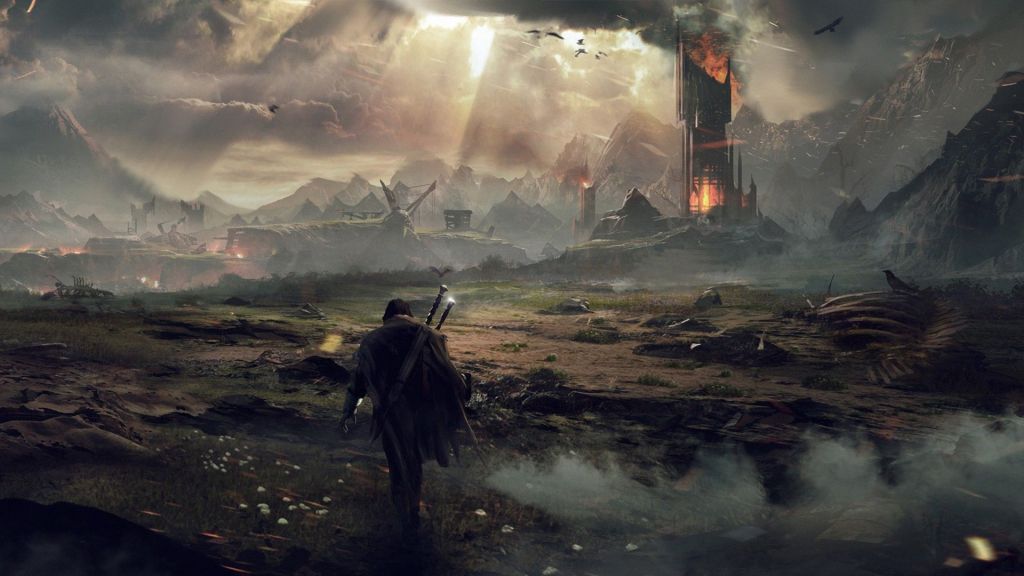
I recently read a blog post over at Fantasy Faction in which Max Freeman argues that the classic literature students have to read in school is boring and often has no character development. He suggests that schools might be better off reading newer, more interesting books such as fantasy and scifi.
I like Max’s idea of introducing “new blood” into high school and college reading lists—to a certain degree. With all the red tape associated with school standards, it’s almost impossible to change the requirements. It would be a disservice to have students read new books and then fail their SAT or AP exams because they didn’t read what the state government wanted.
However, I also think we’re losing students to the art of literature because what we require is boring. Instead of changing the literary canon, why not introduce newer books alongside the usual classics to give students a taste of what enjoyable (but still very good) reading is like? Here are some ideas.
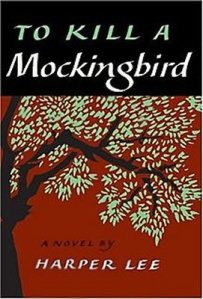
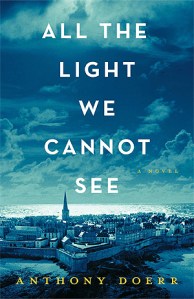
To Kill a Mockingbird / All the Light We Cannot See
To Kill a Mockingbird is a classic for its racial discussions—race, justice and social perceptions are all mixed into Scout’s narrative. It has also gained its status because Harper Lee tells a good story very well. A pairing for this would be All the Light We Cannot See, another compelling historical novel that revolves around race, justice and social perceptions, this time in Nazi Germany. It would also make students think about global racial conflicts outside the American conversation about minorities.
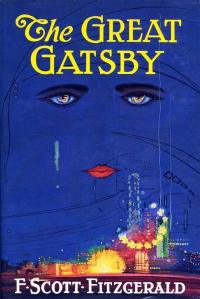
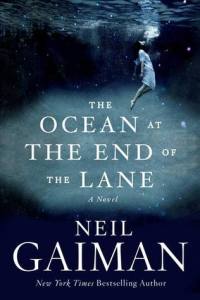
The Great Gatsby / The Ocean at the End of the Lane
Ah, Gatsby. This classic high school requirement discusses everything from morality and gender to romance and reality versus fantasy. Though it’s a literary staple, many students (including myself) have found it boring. So pair Gatsby with The Ocean at the End of the Lane, a fantasy by Neil Gaiman. This story is quiet and compelling—like Gatsby, it deals with romance and reality versus fantasy, but its other themes include humility and sacrifice. The tragedy of Gatsby’s story is redeemed through Lettie, her mother and grandmother. I can imagine good class discussions comparing the despair of Gatsby with the hope of Lettie.
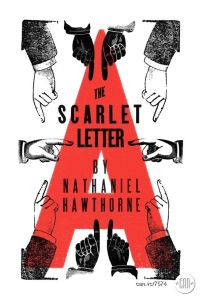
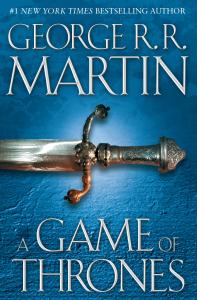
The Scarlett Letter / Game of Thrones
Hester Prim’s tale is all about the politics of a small town—how their strict religious society dictates their social expectations, and how individual characters deal with them. Game of Thrones, too, is full of politics. While George R.R. Martin doesn’t put forth the best writing, his world building is awe-inspiring, and he too, explores the actions of various characters in the face of war, politics and religious expectations. This kind of pairing would help students think about not only social mores and virtue, but how we can discuss these same topics in a modern, pop-culture arena.
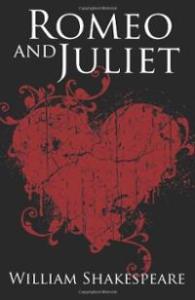
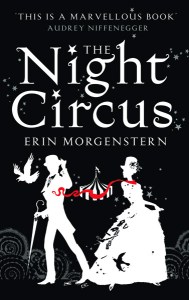
Romeo and Juliet / The Night Circus
I am of the opinion that very little can compare to Shakespeare. But I’m aware that for many high school (and even college) students, the poet is difficult. Romeo and Juliet is a classic love story that discusses romance, class, social expectations and loyalty. We’ve tried to understand it through modern adaptations such as Ever After and West Side Story, but have students read it alongside The Night Circus, and you’ll get them to think about it in a different way. The Night Circus is a steam punk fantasy with a cult following, and is full of the same themes as Shakespeare’s classic—romance, loyalty, politics and perception. It’s also one of those compelling books that has the potential to make someone start a love affair with books.
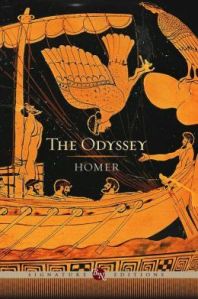
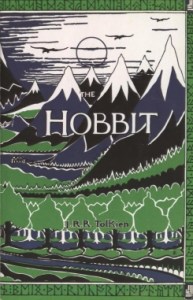
The Odyssey / The Hobbit
What comes to mind with The Odyssey? An epic journey, full of rich lore and legend. The same description could be said of The Hobbit—just with the setting of Middle Earth instead of ancient Greece. If there’s any classic fantasy book teachers should introduce to their students, this is it. J.R.R. Tolkien’s writing is eloquent, he’s a master world builder and his themes of loyalty, adventure and friendship are worth grappling. Reading the two epics would help students think not only about the themes of both books, but how societies have explored these themes throughout history, and how our perception of virtues such as loyalty and friendship have evolved.
Any other ideas for classic and modern pairings? Post a comment!


 Victoria Van Vlear
Leave a comment