
I’ve recently grown tired of main characters with too much power. My husband inadvertently gave me a term for this (it’s a video game term): Overpowered.
In a video game, if you have a character who is too powerful, it makes the game unfair because it’s either too easy (if your character is overpowered), or too hard (if it’s another character).
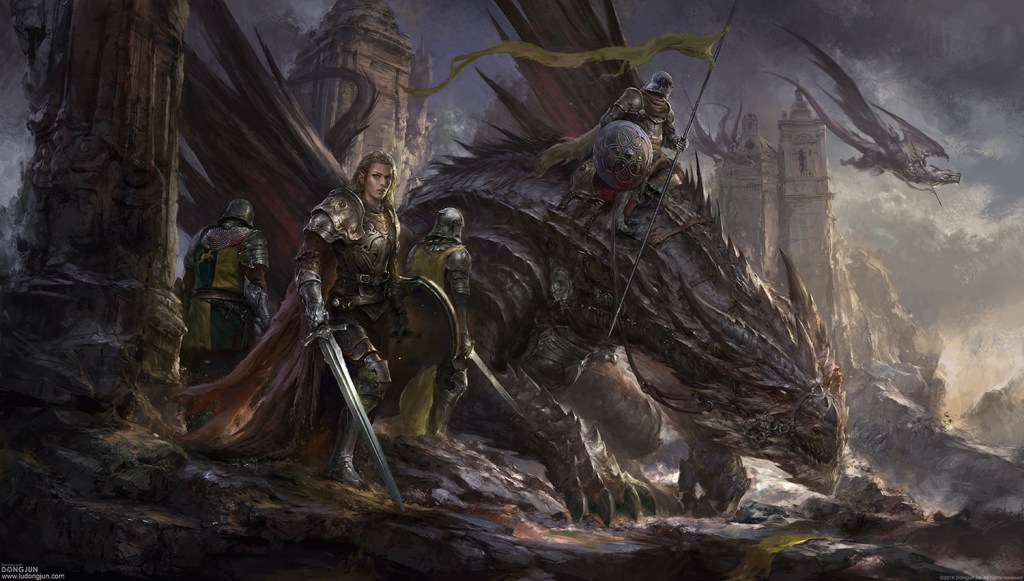
Too many popular fantasy books have overpowered characters (a few examples include Aelin Galathynius, Alina Starkov, Feyre Archeron, and Eragon Shadeslayer). These characters start out as normal people—but as they get sucked into the happenings of their world, they realize they have lots of power and/or they’re the chosen savior for one reason or another. Their powers grow as the conflict grows, and by the end of the series (almost always series, not stand-alones), they’re so powerful they can overcome the great obstacle they face. In the case of longer series like Throne of Glass, almost every book has a great battle or crisis, and the main character’s powers continue to grow so they can win every single time.

I have a problem with this—it’s not helpful in real life. Now obviously, there’s lots about fantasy fiction that’s not helpful in real life. I’ll never need to fight for my life with a sword, or duel with wands or from the back of a dragon. And I’ll never need the principles of magic to survive in the real world. What I mean is that the result of reading this type of book over and over is that being ordinary suddenly isn’t enough. I want to be special in some way. I want to be that powerful character in my own life. This leads to selfishness, pride, and discontent.
Because here’s the thing—we’re not superheroes. Most of us are regular people, and the battles we fight are small and daily, not grand and international. And even when I’m reading for fun, I want to delve into stories with characters I can look up to for their everyday bravery. In his famous devotional, My Utmost For His Highest, Oswald Chambers says:
Some of us always want to be illuminated saints with golden haloes and the flush of inspiration, and to have the saints of God dealing with us all the time. A gilt-edged saint is no good, he is abnormal, unfit for daily life, and altogether unlike God. We are here as men and women, not as half-fledged angels, to do the work of the world.
While Chambers is speaking about the Christian walk, the principle is the same. I want to read about main characters who are normal, not superheroes.
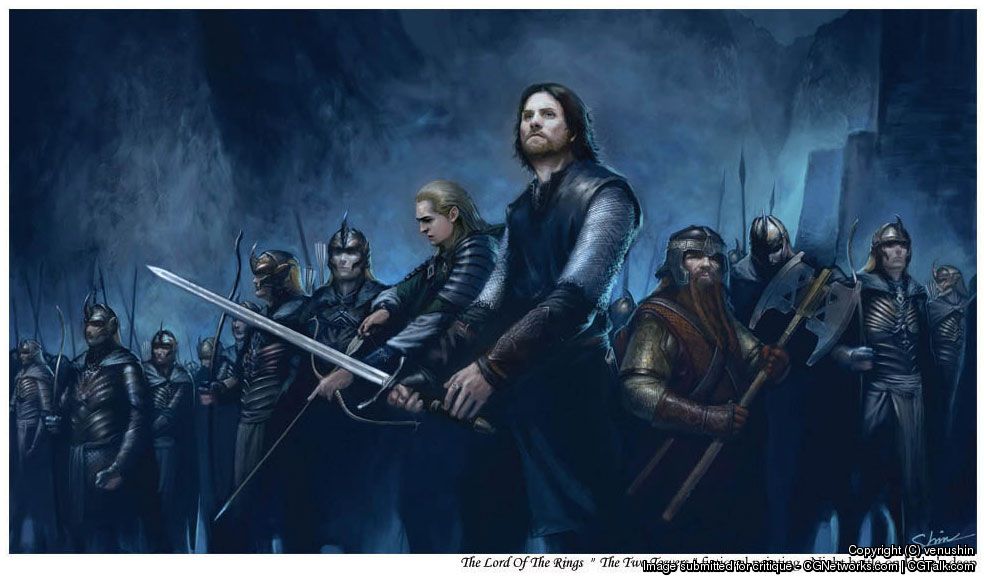
The objection to this is that many fantasy readers are looking for escape when they read. I get that, and I use fantasy the same way myself.
But there should be a purpose behind the escape: to return. J.R.R. Tolkien, in his essay “On Fairy Stories,” talks about using Fantasy as recovery from the trivialities of the real world:
Recovery (which includes return and renewal of health) is a regaining—regaining of a clear view.
Just before that, he says:
We should look at green again, and be startled anew (but not blinded) by blue and yellow and red. We should meet the centaur and the dragon, and then perhaps suddenly behold, like the ancient shepherds, sheep, and dogs, and horses—and wolves. This recovery fairy-stories help us to make. In that sense only a taste for them may make us, or keep us, childish.
There should be a balance there. We escape the realities of this world to reawaken the feeling of wonder in the story. But then we should return to remember to wonder at those realities that had become humdrum before.
Have you ever seen a sunset and been struck anew by its beauty? And yet you were driving along five minutes earlier, thinking about cooking dinner or paying the bills or doing the laundry. That’s exactly what Tolkien is talking about—we should use fantasy to point us back to the wonder of reality.
So I don’t agree that fantasy heroes should be overpowered because we’re using them to escape. We should instead be refreshed by everyday bravery in their crazy, magical world, and be inspired to return and do the same in ours.

 Victoria Van Vlear
Leave a reply to Kim Cancel reply