

I recently watched two romance comedies, and the difference was striking enough that I had to write about it. The films were Home Again (2017) and Falling For Christmas (2016).

Home Again was a “modern” rom com—so modern, in fact, that there isn’t a clear romance. The main character (played by Reese Witherspoon) is a mom who spends the film trying to decide if she wants a divorce with her separated husband, while at the same time facing her fears of what her life would look like without him.
The romance comes in when three young film makers just out of college end up staying in her guest house, and while she has a fling with one of them, all three take on certain “father” and “husband” characteristics in her household—making dinners, dropping her daughters off at school, etc. In the end, [Spoiler alert!] she decides to not continue her relationship with the young guy, but to also divorce her husband.

The film ends in a “ra-ra, go women power” type moment as she decides that she doesn’t need a man in her life to make her happy.
Falling for Christmas is a TV film (though not an official Hallmark channel movie) about a figure skater who gets injured while training for a national competition. Her pushy coach sends her to a rehab center in the mountains to heal before the competition, and there she meets a young single dad and his little girl.

As she rests, she gets to participate in normal activities with them, and struggles with whether or not she wants to continue pushing her body so hard to skate. In the end, [Spoiler alert!] she realizes that there’s more to life than skating, and though she wins the national competition, she decides to forego the chance at the world championship to pursue a normal life with the family instead.
Don’t get me wrong—I enjoyed both movies. They both had good characters, a well-written script, and that “aww” factor that’s a requirement for romantic comedies.

What struck me was the difference in their worldviews.
Home Again has an underlying assumption that women don’t need men to make them happy, and that an individual’s personal happiness is more important than anything else.
Toward the end of the film, Reese Witherspoon’s husband comes to try and reconcile. While it’s clear that they have at least a civil relationship, and VERY clear that their daughters love their dad, she still decides to get a divorce, mostly because the young film makers have shown her how independent and “fun” she can be on her own. She doesn’t take her daughters’ need of a united parental unit into consideration.
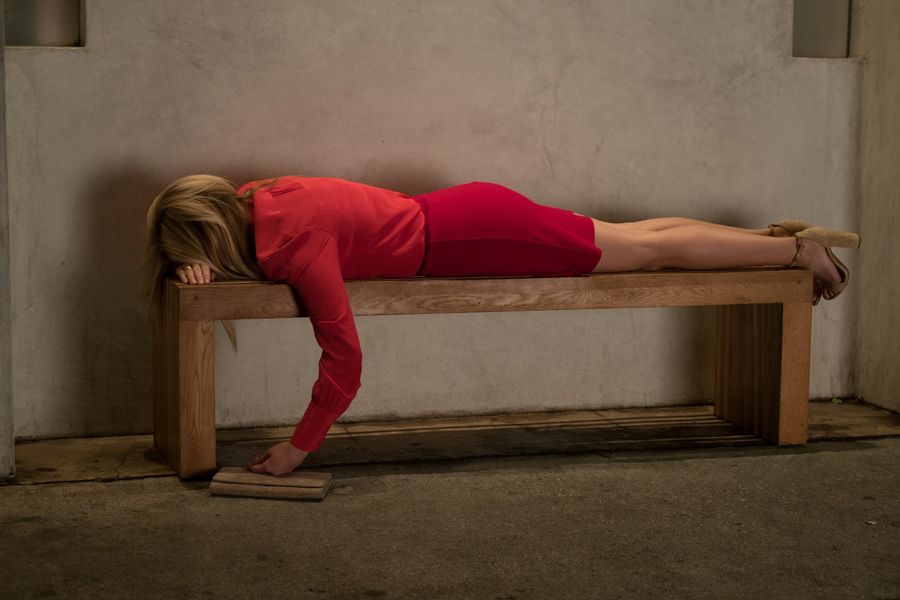
Falling for Christmas, on the other hand, shows a very selfless kind of love. The romantic interest distances himself from the main character toward the end of the film because he doesn’t want to get in the way of her dreams to win the national competition. He himself had walked away from professional hockey because he valued normalcy and his daughter above personal glory.
The other aspect of Falling for Christmas I appreciated was that it didn’t glorify the exceptional. Our culture worships professional actors, singers and sports figures so much that “normal” or “average” has come to mean “uninteresting” and “unworthy.” Parents put pressure on their children to excel in everything they do, from grades to playing musical instruments or performing on stage.

But the reality is that most people are normal, not extraordinary. Falling For Christmas celebrates a normal, average life, and finding happiness in the family. Home Again, by contrast, celebrates breaking up the family in favor of personal happiness. While the characters in both films look happy at the end, if the two situations were in real life, my guess is that there would be much less happiness for the characters in Home Again (particularly the children) than for the characters in Falling for Christmas.
While Home Again had a larger budget, more polished cinematography and wider distribution than Falling For Christmas, it’s the latter I liked more. I’d love to see more mainstream films that have the higher quality of a large Hollywood film, while also sharing a worldview that’s centered around the family, and showing that living a normal, unglorified life can bring one plenty of happiness.

 Victoria Van Vlear
Leave a reply to Kim Cancel reply